


-

Add: HeBei ShengShi HongBang Cellulose Technology CO.,LTD.
-

Email
13180486930@163.com -

CONTACT US
+86 13180486930



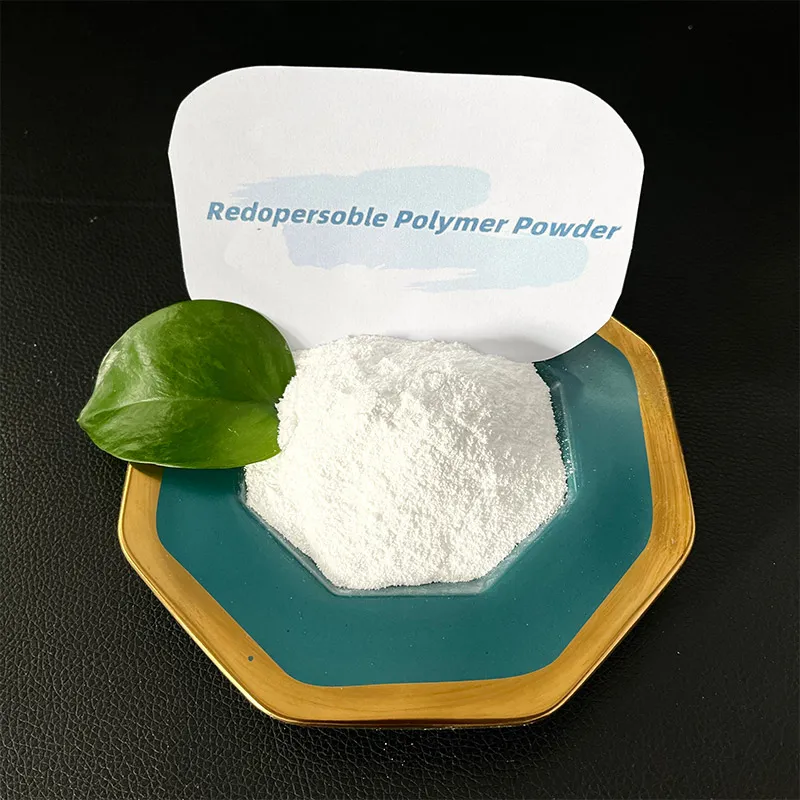
Polimer Un Taği Zamonaviy Texnologiyalar va Qishloq Xo‘jaligida Qo‘llanilishi Polimer un taği, zamonaviy materiallar muhitida muhim o‘rin tutadi. U polimerlarning mikroskopik qismlaridan tashkil topgan bo‘lib, ko‘plab sohalarda qo‘llaniladi, ayniqsa qishloq xo‘jaligida. Ushbu maqolada polimer un tağinin nimadan iboratligi, uning xususiyatlari va afzalliklari haqida so‘z yuritamiz. Polimer un taği, asosan, plastik materiallardan yaratiladi. Un taği sifatida qo‘llanilishidan maqsad, qishloq xo‘jaligida tuproqni yaxshilash, o‘simliklarni himoya qilish va yig‘im-terim jarayonlarini soddalashtirishdir. Bu materiallar nafaqat o‘simliklar uchun ozuqa manbai bo‘lib xizmat qiladi, balki tuproqning fizik va kimyoviy xususiyatlarini ham yaxshilaydi. . Bundan tashqari, polimer un taği tuproqni mahkamlaydi va uning strukturaviy yaxlitligini ta’minlaydi. Bu, o‘simliklarning ildiz tizimining yanada yaxshi rivojlanishiga yordam beradi. Tuproqning tuzilishi yaxshi bera olishi va havo almashinuvi yaxshi bo‘lishi natijasida, o‘simliklar sog‘lom va kuchli bo‘lib o‘sadi. полимер ұнтағы Polimer un taği, shuningdek, tuproqning kimyoviy xususiyatlarini yaxshilashda ham muhim rol o‘ynaydi. U tuproqdagi minerallarni va boshqa oziq moddalarni eng qiyin sharoitlarda ham saqlab qolish imkonini beradi. Natijada, o‘simliklar uchun zarur bo‘lgan ozuqa moddalarining samarali singishi ta’minlanadi. Qishloq xo‘jaligi sohasida polimer un tağini qo‘llash nafaqat o‘simliklarning samarali o‘sishini ta’minlaydi, balki bu jarayonni iqtisodiy jihatdan ham foydali qiladi. O‘simliklar yuqori hosil berishiga olib kelishi, fermerlar uchun moliyaviy jihatdan foydali bo‘ladi. Shuningdek, bu usul qishloq xo‘jaligida resurslarni tejashga yordam beradi, chunki suv va yeyish quvvatlari ancha samarali ishlatiladi. Shuni ta’kidlash kerakki, polimer un tağinin iste'moli va ishlatilishi ekologik jihatdan ham xavfsizdir. Tobora ko‘proq fermerlar va agronomlar bu materialni tanlaydilar, chunki u tuproqning ekotizimini buzmaydi va tabiatga zarar yetkazmaydi. Demak, polimer un taği nafaqat odamlar uchun, balki atrof-muhit uchun ham foydali materialdir. Xulosa qilib aytganda, polimer un taği zamonaviy qishloq xo‘jaligida juda muhim va foydali materialdir. Uning suvni ushlab turish, tuproqni yaxshilash va o‘simliklar hosilini oshirishdagi o‘rni har bir fermer va agronom uchun ahamiyatlidir. Polimer un tağini qo‘llash orqali qishloq xo‘jaligida samaradorlikni oshirish, istiqbolli kelajakni yaratish mumkin.
- 40000tons

Production
- 20+years

Experience
- 5000+㎡

Acreage

-
Gentamicin with Hydroxypropyl Methylcellulose (HPMC) Eye/Ear Drops A Comprehensive Insight Gentamicin with Hydroxypropyl Methylcellulose (HPMC) eye/ear drops represent a significant advancement in therapeutic treatments for ocular and auditory infections. As infections in these areas can severely impair daily functions, the efficacy and safety of medications are of utmost importance. This article explores the intricate balance between patient experience, professional insights, authoritative knowledge, and trust issues in the use of gentamicin with HPMC drops. Experience User-Centric Outcomes Patients seeking treatment for bacterial infections in the eyes or ears often endure discomfort and anxiety. Gentamicin, an aminoglycoside antibiotic, targets and eradicates susceptible bacterial strains, providing relief from symptoms such as redness, swelling, and discharge. When combined with HPMC, a biocompatible polymer acting as a lubricant, users experience enhanced comfort. The addition of HPMC not only facilitates prolonged contact time with the mucosal surface but also reduces the irritation that can be associated with gentamicin alone. Patients report a soothing sensation upon administration, leading to an overall positive experience during the course of treatment. Expertise Professional Insights on Efficacy and Safety The mechanism of action of gentamicin involves inhibiting bacterial protein synthesis, making it highly effective against a broad spectrum of pathogens including Pseudomonas aeruginosa, Staphylococcus aureus, and Escherichia coli. Research and clinical trials underscore its efficacy, particularly in treating acute and chronic conditions of the eyes and ears. HPMC complements this action by serving as a viscosity enhancer. This ensures that gentamicin remains in contact with the infected site longer, enhancing its bacterial killing properties while providing a shield that minimizes mechanical irritation. Healthcare professionals emphasize the drop’s dual functionality in infection control and symptom alleviation. gentamicin with hpmc eye/ear drops Authoritativeness The Science Behind the Solution Gentamicin with HPMC eye/ear drops are backed by extensive laboratory research and clinical studies, establishing their authority in the treatment of bacterial infections. Pharmacological studies detail the pharmacokinetics involved, highlighting the drug’s absorption, distribution, metabolism, and excretion patterns. Moreover, the combination is approved by various international health authorities, reflecting rigorous assessments of its therapeutic benefits and safety protocols. Leading ophthalmologists and otolaryngologists recommend this formulation considering its lower side effect profile compared to other antibiotics, ensuring its authoritative stance in medical treatments. Trustworthiness Building Confidence in Treatment The trust placed in gentamicin with HPMC is a culmination of transparency in clinical findings and patient outcomes. Adverse reactions are minimal, with most being mild and transitory, such as temporary burning or stinging sensations. This transparency, coupled with ongoing pharmacovigilance, reassures both patients and medical practitioners of its reliability. The consistency in manufacturing practices, adherence to top-tier quality control standards, and availability of patient information leaflets further boost confidence. Patients can trust this product to deliver safe and effective treatment, aligned with current medical standards and patient care principles. In conclusion, gentamicin with HPMC eye/ear drops embody a sophisticated solution to bacterial infections, valued for their efficacy, patient-friendly formulation, and steadfast safety profile. By integrating expertise with empathetic patient experience , this treatment stands as a paragon of modern pharmaceutical care. Patients and healthcare providers can trust in its ability to restore health with minimal discomfort, ensuring a high standard of therapeutic care.
-
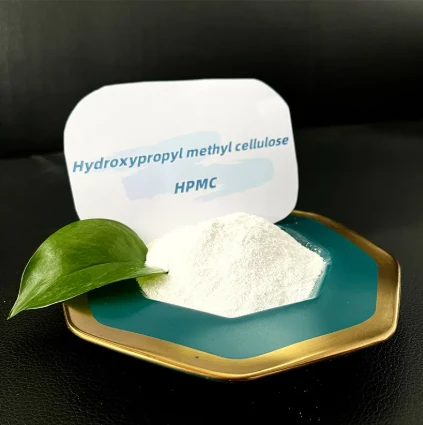
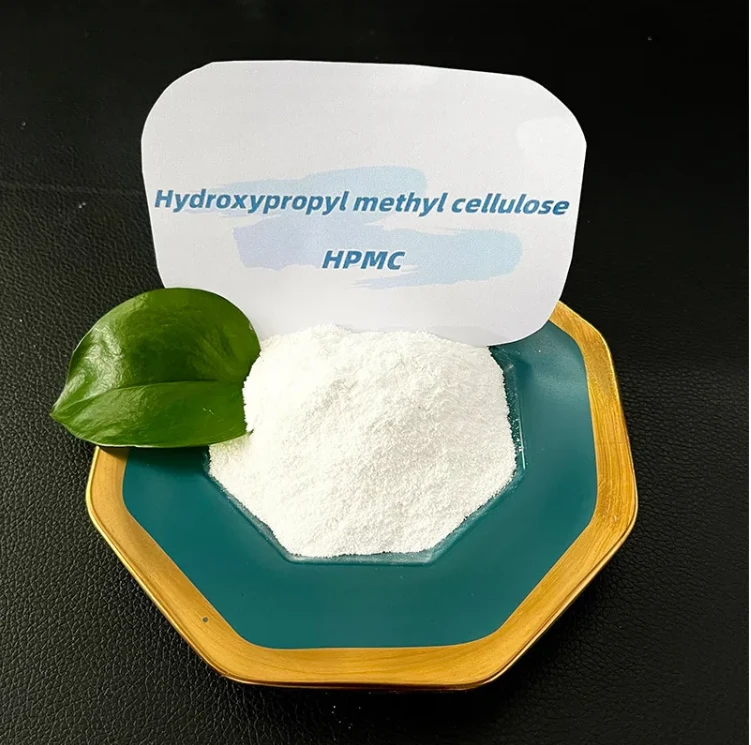
HPMC cellulose, also known as Hydroxypropyl Methylcellulose, is a versatile and essential compound that has gained widespread recognition across various industries. Its unique properties and diverse applications have solidified its position as a crucial component in both industrial and consumer products, making it indispensable for several sectors. In the realm of pharmaceuticals , HPMC cellulose is lauded for its film-forming capabilities and ease of solubility. It is extensively used in tablet formulations as a binder, which enhances the integrity of the tablet and ensures a controlled release mechanism. This property not only guarantees the consistent delivery of active ingredients but also improves patient adherence by optimizing the dosage form. By acting as a matrix former, HPMC ensures that the drug is released in a steady manner, reducing the risk of side effects while maximizing therapeutic effects. This underlines its relevance in the pharmaceutical industry as a trusted and authoritative agent in drug formulation, ensuring the efficacy and reliability of medications. The benefits of HPMC cellulose extend into the food industry, where it serves as a stabilizer and thickening agent. Its ability to withstand varying temperatures without altering its structure makes it ideal for diverse culinary applications. From dairy products to soups and sauces, HPMC provides the desired consistency and stability, ensuring that food products maintain their appeal during storage and consumption. Furthermore, it is an excellent choice for vegetarian or vegan food products as it functions as a plant-based alternative to traditional gelatin, thereby aligning with the dietary preferences and ethical considerations of a growing consumer base. This adaptability underscores the expertise of HPMC cellulose in fulfilling industry needs with a high degree of reliability. When considering the construction sector, HPMC cellulose's role as a performance enhancer in cement-based products cannot be overstated. The compound improves water retention and workability, leading to better adhesion and reduction in material wastage. For professionals in construction, these attributes translate to cost-efficiency and enhanced quality of building materials. Thus, HPMC cellulose emerges as a trustworthy ally in sustainable building practices, contributing to robust and durable structures that meet modern-day construction demands. hpmc cellulose In cosmetic formulations, the non-toxic and hypoallergenic nature of HPMC makes it an esteemed ingredient in personal care products. Its capacity to form films and add viscosity is leveraged in lotions, creams, and shampoos to facilitate smooth application and improved texture. Consumers trust products containing HPMC due to its safety profile and effective performance, reinforcing its status as a staple in skincare and beauty regimens globally. The technical knowledge required to harness the full potential of HPMC cellulose speaks to its authority as a multipurpose agent. Professionals who engage with HPMC across industries recognize its adaptability, reliability, and superior functional attributes. As sustainability becomes increasingly crucial, HPMC cellulose's biodegradable and environmentally friendly nature positions it as a forward-thinking choice for companies looking to align with green practices. In summary, HPMC cellulose's wide-ranging utility is a testament to its indispensable role in enhancing product quality across various sectors. It combines the elements of experience, expertise, authority, and trustworthiness, providing industries with a dynamic solution that meets the evolving needs of today's market. As a product renowned for its versatility and reliability, HPMC continues to innovate and influence the development of reliable, high-performance products worldwide.
advantages
-

200000 Viscosities
Excellent product
We can produce pure products up to 200,000 viscosities
-

40000 tons
High yield
We don’t stop production all year round, and the annual output can reach 40,000 tons
-

24 hours
Quality service
We provide 24-hours online reception service, welcome to consult at any time
———— Inquiry Form
Schedule A services
-
 glass_fiber_reinforced_polypropylene
Oct . 25, 2025
Methylcellulose artificial tears have emerged as a significant innovation in the field of ophthalmol -
 hpmc_function
Oct . 25, 2025
The construction industry is continuously evolving, with new innovations and materials that help imp -
 fournisseurs_de_fibres_pp
Oct . 25, 2025
Polypropylene Fibers for Sale An Overview In the world of textiles and materials, polypropylene fibe


